2026-10-25 · Rick Morales
Bio Hazard Cleanup After Spring Flooding Along The South Platte In Littleton
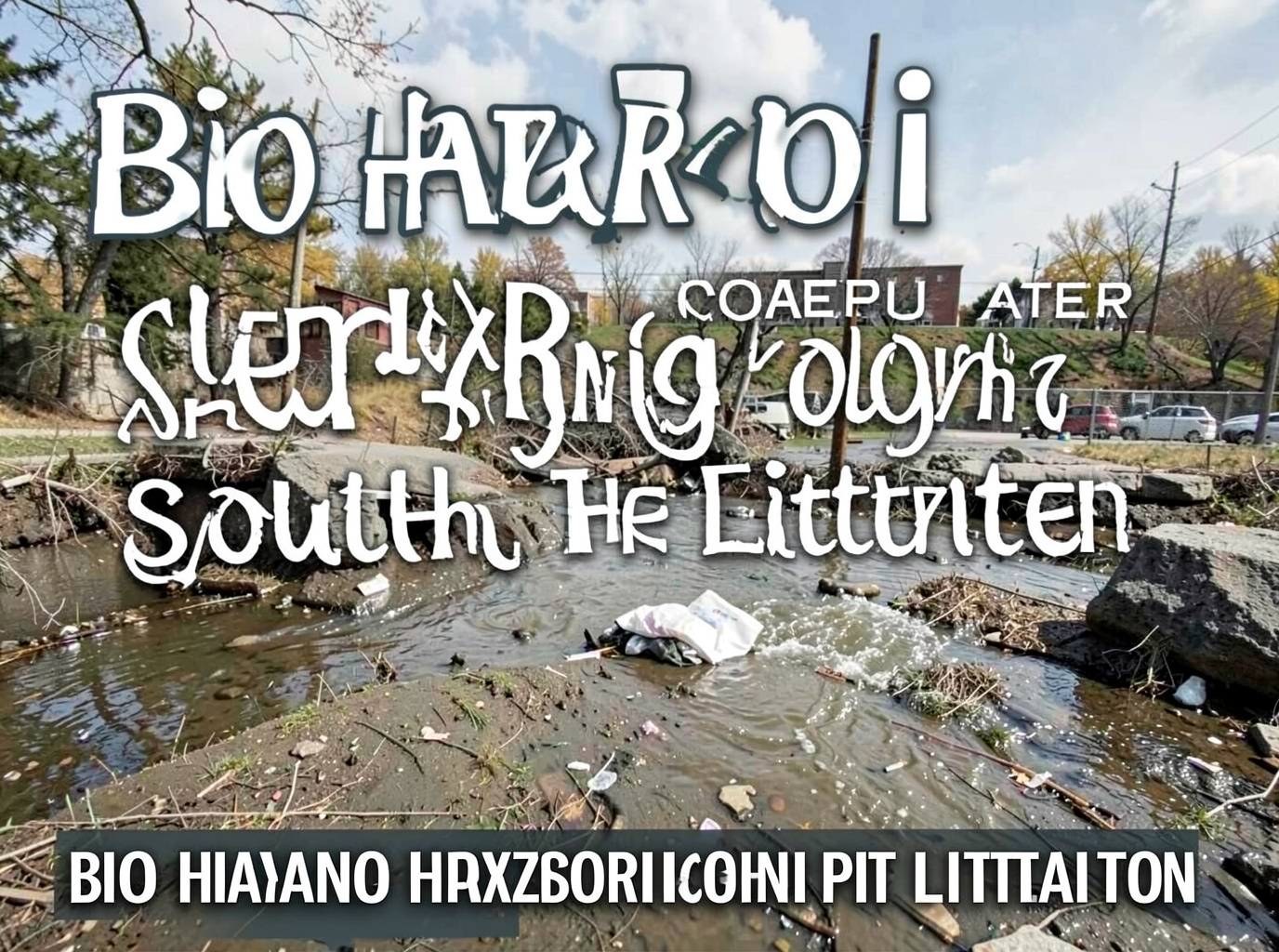
Spring flooding along the South Platte River in Littleton often introduces sewage, silt, and pathogens into homes and properties in neighborhoods such as Downtown Littleton, Historic Littleton, and Sterne Park. The semi-arid climate with four distinct seasons and low humidity means floodwater evaporates quickly on surfaces but leaves hidden moisture in older housing stock common to Arapahoe County, leading to rapid bacterial growth within 24 to 48 hours. Homeowners in Bowles, Columbine, Southpark, and Wolhurst face similar risks when river levels rise from upstream snowmelt. sewage backup cleanup addresses the initial water removal while biohazard disinfection service targets remaining contaminants.
Floodwater Sources and Local Terrain Factors
The South Platte cuts through central Littleton, and spring runoff from the Rockies combines with urban runoff from Englewood and Denver to carry organic waste into low-lying yards and crawl spaces. Low humidity accelerates surface drying yet traps moisture in the clay-heavy soils around Hudson Gardens and Littleton Museum properties, prolonging bacterial survival. Older homes near Littleton Town Hall and Bemis Public Library often have unsealed foundations that allow contaminated water to reach wooden joists and insulation. This terrain pattern increases the chance that visible water recedes while hidden biohazards remain in wall cavities and under flooring.
Health Risks in Four-Season Conditions
After floodwaters recede, residents encounter bacteria such as E. coli and viruses from sewage that thrive in the cool, damp spring air before low summer humidity takes over. In Columbine and Southpark, basements built on the river floodplain retain moisture longer due to poor drainage, raising exposure during cleanup. Prolonged contact can cause respiratory irritation and infections, especially when disturbed silt becomes airborne. Properties near Highlands Ranch see similar patterns when flood channels overflow. Immediate ventilation and containment limit spread before disinfection begins.
Practical Cleanup Sequence for Affected Properties
Begin by isolating the flooded zone with plastic sheeting to prevent cross-contamination into living areas. Remove porous materials like carpet and drywall that have contacted floodwater within the first 48 hours, then extract remaining moisture with industrial equipment suited to Arapahoe County’s dry climate. Apply EPA-registered disinfectants to all hard surfaces, paying extra attention to cracks in concrete slabs common in Wolhurst homes. Document every step for insurance purposes. Littleton Rules For Disposing Of Biohazardous Waste From Residential Properties outlines permitted disposal sites and transport requirements.
When Professional Intervention Becomes Necessary
Homeowners can manage small, contained spills, yet widespread South Platte flooding in Historic Littleton or Sterne Park usually exceeds safe DIY scope due to hidden contamination. Cost Factors For Bio Hazard Cleanup In Littleton Colorado details variables such as square footage affected and material removal volume. Crews equipped for 24/7 response at 8000 Southpark Way handle large-scale jobs that require negative air machines and proper waste manifesting. Delaying professional assessment allows mold to establish before the low-humidity summer arrives.