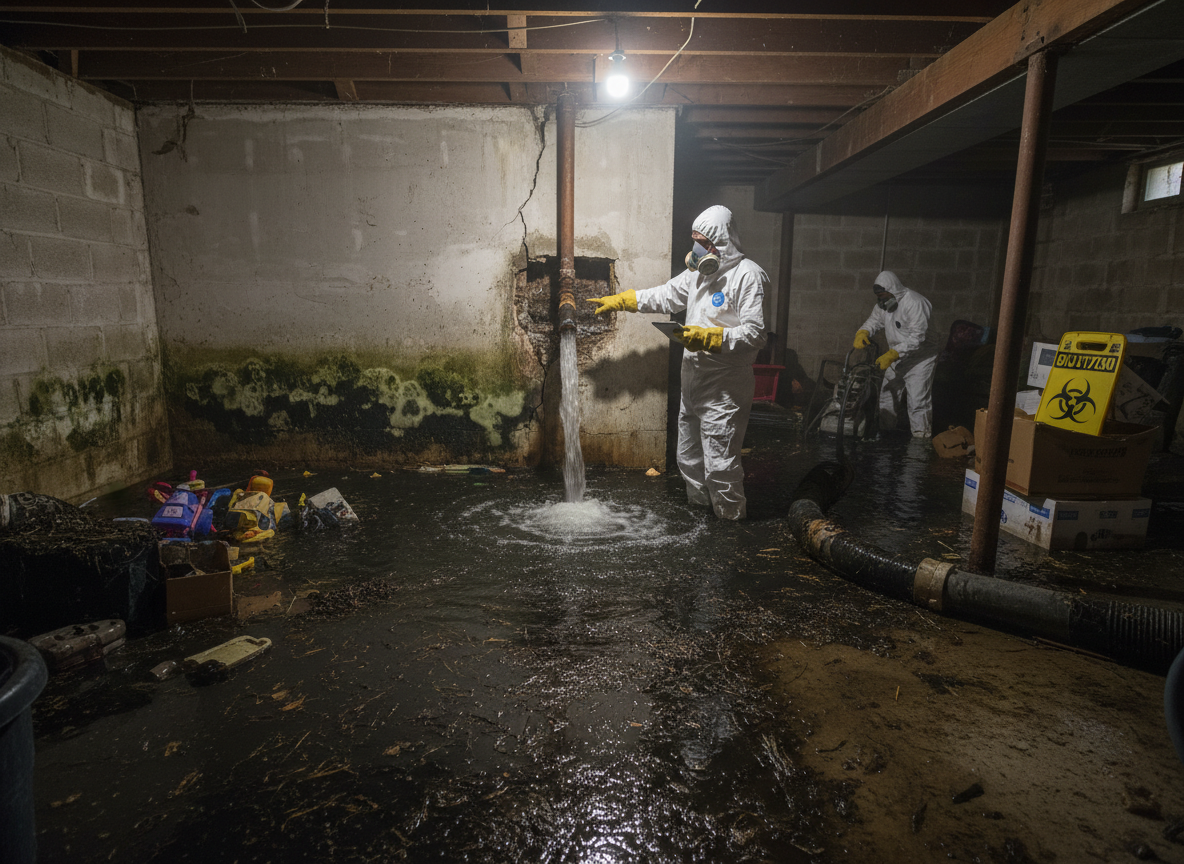
Columbine sits in southwest Littleton with single-family homes mostly built in the 1970s and 1980s along streets like Pierce and Kendall. These ranch and two-story layouts often have finished basements that trap biohazards after incidents. Crews from 8000 Southpark Way reach the neighborhood quickly via C-470 or Bowles Avenue and handle discreet entry through side or rear doors common on these lots.
Semi-arid conditions and low humidity speed drying of affected materials but also create dust that can carry particles during removal. Four distinct seasons mean winter calls can involve frozen ground and snow-covered driveways while summer jobs contend with heat that accelerates odor issues inside closed homes. Technicians adjust containment and ventilation methods to match these daily shifts.
Work in Columbine frequently involves coordination around school schedules and park activity at nearby Clement Park. Property access often requires navigating narrow side yards or shared fences typical of the subdivision. The team focuses on thorough extraction and disposal without drawing attention in this established residential pocket.
Around Bio Hazard Cleanup in Columbine
We regularly work near:
- 📍Columbine High School
- 📍Clement Park
- 📍Columbine Hills Park
- 📍Leawood Elementary School
- 📍Bowles Avenue
- 📍Pierce Street
Bio Hazard Cleanup in Bio Hazard Cleanup in Columbine — Local Notes
- •1970s-1980s homes in Columbine often feature carpeted basements and finished lower levels where fluids seep into subfloors and require full removal.
- •Low humidity helps with surface drying but forces extra HEPA filtration to control dust stirred up during demolition of affected drywall and insulation.
- •Winter snow and freeze-thaw cycles on driveways and sidewalks can complicate equipment staging and require added traction measures for safe transport of waste.
- •Lots near Columbine Hills Park back up to greenbelts where drainage can carry contaminants toward neighboring properties after heavy spring rains.