2026-10-25 · Rick Morales
Removing Mold And Bacteria After Water Damage In Older Littleton Houses
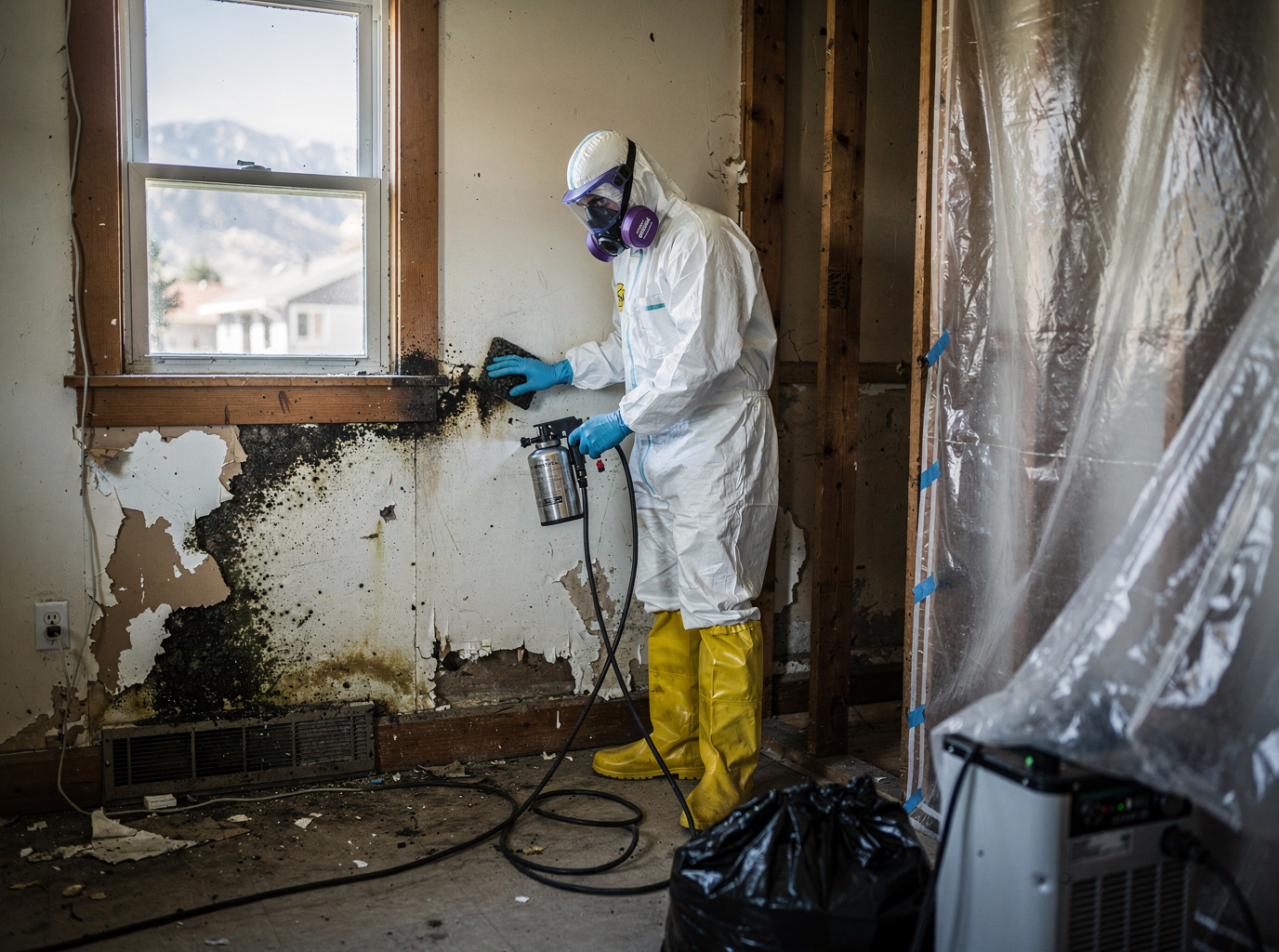
In older Littleton houses built before 1970, removing mold and bacteria after water damage typically requires containment within 24-48 hours, followed by HEPA filtration and antimicrobial treatment that can take 3-7 days depending on the extent of saturation in basements and crawl spaces common to Arapahoe County properties.
Water Intrusion Patterns in Historic Littleton Housing Stock
Homes in Historic Littleton and Downtown Littleton often feature plaster walls, original plumbing from the early 1900s, and stone foundations that trap moisture differently than newer builds in Highlands Ranch. Semi-arid conditions with low humidity normally limit mold, yet spring snowmelt and summer thunderstorms can overwhelm aging pipes, pushing water into soil around Bowles and Columbine properties where clay content slows drainage. Winter temperature swings exacerbate this when pipes freeze and burst, sending contaminated water into basements that stay damp for weeks. These factors turn standard leaks into persistent bacterial colonies that require targeted biohazard approaches rather than simple drying.
Recognizing Hidden Mold and Bacterial Risks
Visible discoloration on drywall is only the start in Southpark and Wolhurst homes where insulation behind lathe-and-plaster hides growth for months. After water events, bacteria like E. coli from minor sewage backups thrive in the low-oxygen environments of crawl spaces under Sterne Park residences. Residents notice musty odors near Bemis Public Library-area homes or around Hudson Gardens properties because decaying organic matter in older floor joists feeds colonies. Testing air samples reveals elevated spore counts that standard dehumidifiers cannot address alone, especially when four distinct seasons bring repeated freeze-thaw cycles that reopen sealed cracks.
Containment and Removal Process for Biohazards
Begin by isolating the affected zone with plastic sheeting and negative air machines to prevent spores from migrating to unaffected rooms in Littleton Museum vicinity homes. Remove saturated materials such as carpet padding and baseboards within the first day, then apply EPA-registered antimicrobials to studs and subfloors while monitoring moisture levels below 15 percent. For cases involving sewage backup cleanup, full personal protective equipment and proper disposal of contaminated debris follow Arapahoe County guidelines. HEPA vacuuming follows drying, with multiple passes needed in tight spaces typical of 1950s-era Columbine houses.
Long-Term Prevention in Four-Season Climate
Install French drains around foundations in Sterne Park neighborhoods where runoff pools during monsoon season. Upgrade to modern sump pumps with battery backups for homes near Littleton Town Hall that lack updated electrical systems. Annual inspections of attic ventilation help counter winter condensation that fuels hidden growth. Linking these steps to winter pipe bursts and resulting biohazards in Littleton basements shows how proactive sealing reduces recurrence rates in older stock.
When Professional Bio Hazard Cleanup Is Required
DIY methods fall short when bacterial loads exceed safe thresholds or when odors persist after drying, particularly in multi-story Historic Littleton properties with shared walls. At that point, contact specialists operating 24/7 from 8000 Southpark Way Littleton, CO 80120 who handle gross filth sanitation and follow disposal rules outlined in Littleton rules for disposing of biohazardous waste from residential properties. This ensures complete remediation without cross-contamination to adjacent Englewood or Denver homes.